
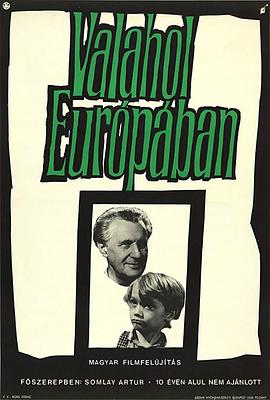
Somewhere in the remote region, the war ends. In the midst of ruined cities and houses in the street...展开s, in rural hamlets, everywhere where people still live, are children who have lost their homes and parents. Abandoned, hungry, and in rags, defenseless and humiliated, they wander through the world. Hunger drives them. Little streams of orphans merge into a river which rushes forward and submerges everything in its path. The children do not know any feeling; they know only the world of their enemies. They fight, steal, struggle for a mouthful of food, and violence is merely a means to get it. A gang led by Cahoun finds a refuge in an abandoned castle and encounters an old composer who has voluntarily retired into solitude from a world of hatred, treason, and crime. How can they find a common ground, how can they become mutual friends? The castle becomes their hiding place but possibly it will also be their first home which they may organize and must defend. But even for this, the price will be very high.To this simple story, the journalist, writer, poet, scriptwriter, movie director, and film theoretician Béla Balázs applied many years of experience. He and the director Géza Radványi created a work which opened a new postwar chapter in Hungarian film. Surprisingly, this film has not lost any of its impact over the years, especially on a profound philosophical level. That is to say, it is not merely a movie about war; it is not important in what location and in what period of time it takes place. It is a story outside of time about the joyless fate of children who pay dearly for the cruel war games of adults.At the time it was premiered, the movie was enthusiastically received by the critics. The main roles were taken by streetwise boys of a children's group who created their roles improvisationally in close contact with a few professional actors, and in the children's acting their own fresh experience of war's turmoil appears to be reflected. At the same time, their performance fits admirably into the mosaic of a very complex movie language. Balázs's influence revealed itself, above all, in the introductory sequences: an air raid on an amusement park, seen in a montage of dramatic situations evoking the last spasms of war, where, undoubtedly, we discern the influence of classical Soviet cinematography. Shooting, the boy's escape, the locomotive's wheels, the shadows of soldiers with submachine guns, the sound of a whistle—the images are linked together in abrupt sequences in which varying shots and expressive sharp sounds are emphasized. A perfectly planned screenplay avoided all elements of sentimentality, time-worn stereotypes of wronged children, romanticism and cheap simplification. The authors succeeded in bridging the perilous dramatic abyss of the metamorphosis of a children's community. Their telling of the story (the scene of pillaging, the assault on the castle, etc) independently introduced some neorealist elements which, at that time, were being propagated in Italy by De Sica, Rossellini, and other film artists. The rebukes of contemporary critics, who called attention to "formalism for its own sake" have been forgotten. The masterly art of cameraman Barnabás Hegyi gives vitality to the poetic images. His angle shots of the children, his composition of scenes in the castle interior, are a living document of the times, and underline the atmosphere and the characters of the protagonists. The success of the picture was also enhanced by the musical art of composer Dénes Buday who, in tense situations, inserted the theme of the Marseilaise into the movie's structure, as a motive of community unification, as an expression of friendship and the possibility of understanding.Valahol Europaban is the first significant postwar Hungarian film. It originated in a relaxed atmosphere, replete with joy and euphoria, and it includes these elements in order to demonstrate the strength of humanism, tolerance, and friendship. It represents a general condemnation of war anywhere in the world, in any form.收起
关联推荐
猜你喜欢
 HD中字
男孩的父亲是天文学家,夜观星象时发现了一颗小型彗星。本来打算正式申请彗星发现证明的,但是父亲突然因病逝世,而这项成果也随之被父亲的同事霸占。 为了维护父亲的成果,小男孩决定和他的四个好友开展寻找彗
HD中字
男孩的父亲是天文学家,夜观星象时发现了一颗小型彗星。本来打算正式申请彗星发现证明的,但是父亲突然因病逝世,而这项成果也随之被父亲的同事霸占。 为了维护父亲的成果,小男孩决定和他的四个好友开展寻找彗
 更新至高清
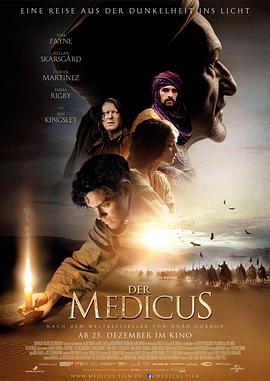
影片背景设置在11世纪的波斯,一位英国人为了学习医术掩盖其天主教徒的身体,加入了伊斯巴罕一所只招收犹太人的医学院。他治随的老师名叫阿维森纳,是历史上著名的犹太科学家、思想家和医生。阿维森纳的著作达
更新至高清
影片背景设置在11世纪的波斯,一位英国人为了学习医术掩盖其天主教徒的身体,加入了伊斯巴罕一所只招收犹太人的医学院。他治随的老师名叫阿维森纳,是历史上著名的犹太科学家、思想家和医生。阿维森纳的著作达
 6.0 HD中字版
故事发生在智利首都圣地亚哥。葛洛莉亚(宝琳娜·加西亚 Paulina Garcia 饰),58岁,总是戴着一副大框近视镜,离婚10年。然而这些单调而沉闷的标签并没有阻止她对幸福生活的向往和追求。葛
6.0 HD中字版
故事发生在智利首都圣地亚哥。葛洛莉亚(宝琳娜·加西亚 Paulina Garcia 饰),58岁,总是戴着一副大框近视镜,离婚10年。然而这些单调而沉闷的标签并没有阻止她对幸福生活的向往和追求。葛
 更新至高清
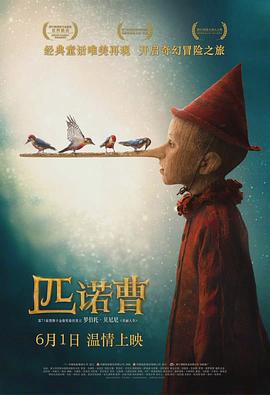
改编自经典童话《木偶奇遇记》,讲述老木匠(罗伯托·贝尼尼 Roberto Benigni 饰)雕刻的木偶机缘巧合下获得生命,被木匠当作自己的儿子,并取名“匹诺曹”(费德里科·伊帕迪 Federic
更新至高清
改编自经典童话《木偶奇遇记》,讲述老木匠(罗伯托·贝尼尼 Roberto Benigni 饰)雕刻的木偶机缘巧合下获得生命,被木匠当作自己的儿子,并取名“匹诺曹”(费德里科·伊帕迪 Federic
 8.6 HD中字
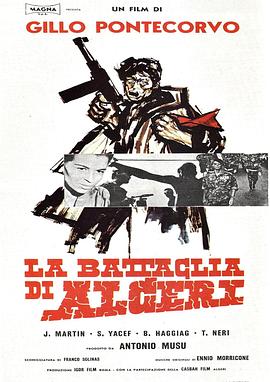
一九五四年十月一日,以法属阿尔及利亚首都阿尔及尔的卡斯巴为中心,爆发了阿尔及利亚人反抗运动,这是由于阿拉伯人憎恨法国人长期统治而引起的。人们四处搞破坏,法国政府发觉事态严重,便于一九五七年十月七日
8.6 HD中字
一九五四年十月一日,以法属阿尔及利亚首都阿尔及尔的卡斯巴为中心,爆发了阿尔及利亚人反抗运动,这是由于阿拉伯人憎恨法国人长期统治而引起的。人们四处搞破坏,法国政府发觉事态严重,便于一九五七年十月七日
 6.6 HD中字
浩瀚无垠的澳洲大陆,壮观绝美的自然风光吸引无数旅者和背包客来到此地一游。可是当他们快乐自在和大自然融为一体的时候,却全然没有意识到危险也在悄然逼近。晴朗明媚的一天,德国小伙鲁特格尔(Philipp
6.6 HD中字
浩瀚无垠的澳洲大陆,壮观绝美的自然风光吸引无数旅者和背包客来到此地一游。可是当他们快乐自在和大自然融为一体的时候,却全然没有意识到危险也在悄然逼近。晴朗明媚的一天,德国小伙鲁特格尔(Philipp
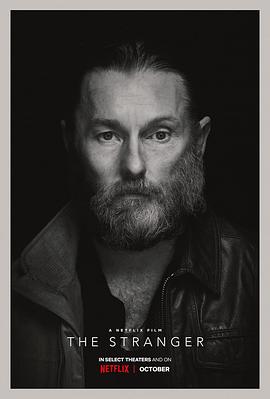 HD中字版
乔尔·埃哲顿、西恩·哈里斯将主演犯罪题材新片[未知的男人](The Unknown Man,暂译)。托马斯·M·赖特([严重的不幸])自编自导。该片根据真实事件改编,讲述两个男人在飞机上相遇,并开
HD中字版
乔尔·埃哲顿、西恩·哈里斯将主演犯罪题材新片[未知的男人](The Unknown Man,暂译)。托马斯·M·赖特([严重的不幸])自编自导。该片根据真实事件改编,讲述两个男人在飞机上相遇,并开
 7.2 HD中字
阿基姆和盖基姆是一对三十多岁的同卵双胞胎,他们有着兄弟般的爱。他们是听障人士,但这不会妨碍他们在地拉那城市的日常生活。有一天,他们收到的消息改变了一切:他们患有一种罕见的遗传病,还会失明。在一起,
7.2 HD中字
阿基姆和盖基姆是一对三十多岁的同卵双胞胎,他们有着兄弟般的爱。他们是听障人士,但这不会妨碍他们在地拉那城市的日常生活。有一天,他们收到的消息改变了一切:他们患有一种罕见的遗传病,还会失明。在一起,
 HD
Two young men who are in love and get bullied by a group of neo-Nazi skinheads that makes their li
HD
Two young men who are in love and get bullied by a group of neo-Nazi skinheads that makes their li
 HD中字
一个讨厌狂欢节的年轻乡村女孩去了里约热内卢,想获得巴西最著名设计师的支持,以前往梦寐以求的巴黎学习时装。她潜入了其中一所最大的桑巴舞学校的缝纫团队,她将意识到虽然狂欢节只有一周,但爱情故事可以改变
HD中字
一个讨厌狂欢节的年轻乡村女孩去了里约热内卢,想获得巴西最著名设计师的支持,以前往梦寐以求的巴黎学习时装。她潜入了其中一所最大的桑巴舞学校的缝纫团队,她将意识到虽然狂欢节只有一周,但爱情故事可以改变
 5.9 HD
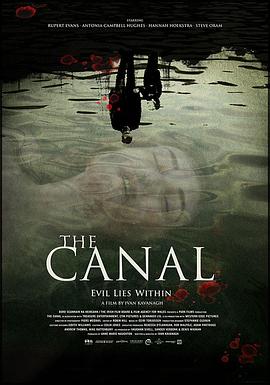
供职于国家电影资料馆的影片管理员大卫·威廉(鲁珀特·伊文斯 Rupert Evans 饰),在五年前和美丽的妻子爱丽丝(汉娜·霍克斯特拉 Hannah Hoekstra 饰)搬入一幢拥有上百年历史
5.9 HD
供职于国家电影资料馆的影片管理员大卫·威廉(鲁珀特·伊文斯 Rupert Evans 饰),在五年前和美丽的妻子爱丽丝(汉娜·霍克斯特拉 Hannah Hoekstra 饰)搬入一幢拥有上百年历史